by Omondi L. Nyong’o M.D. A pediatric ophthalmologist sends Wondersee’s logger off to Kansas City and watches Engenious whip up a whirlwind
Wheels up
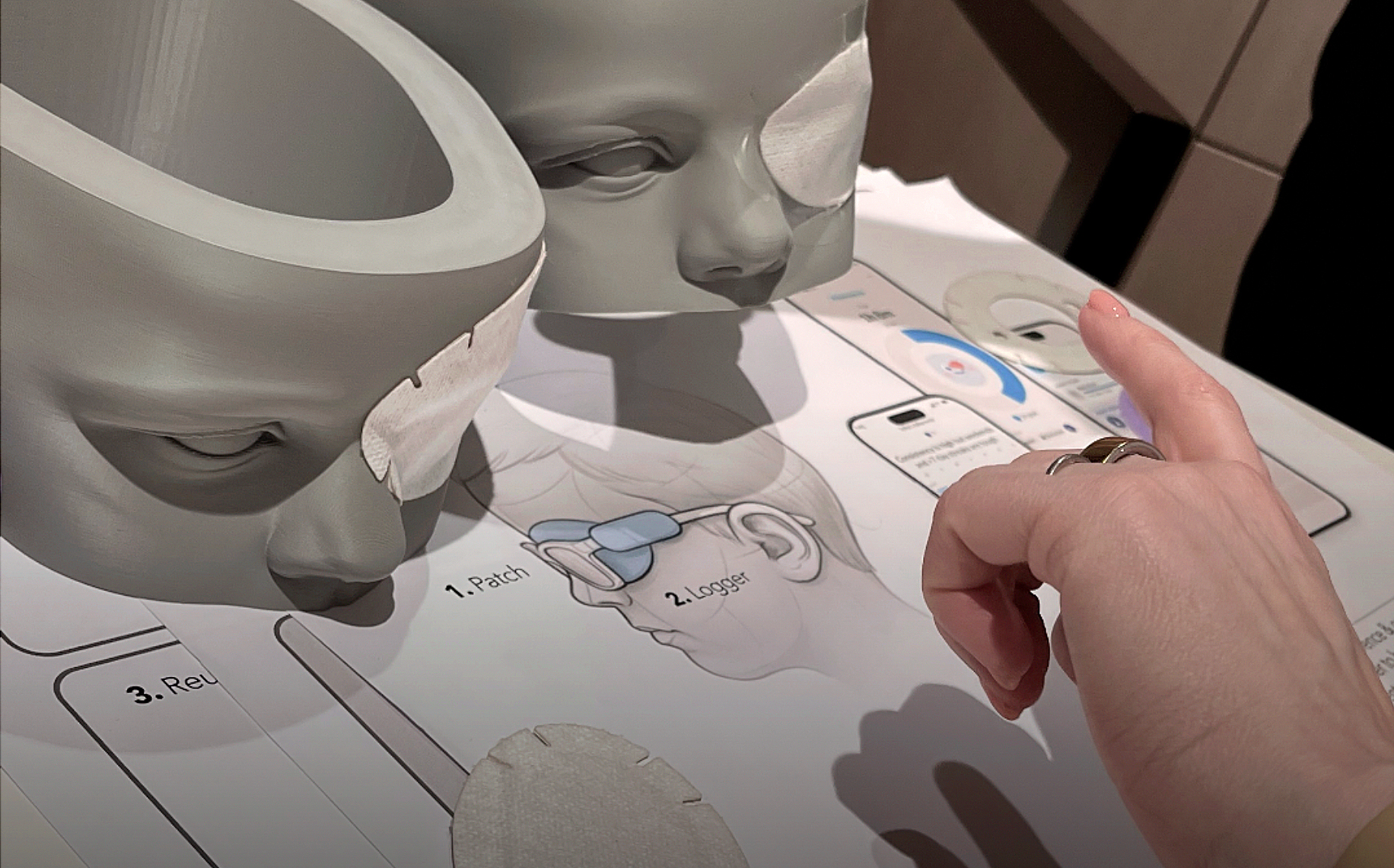
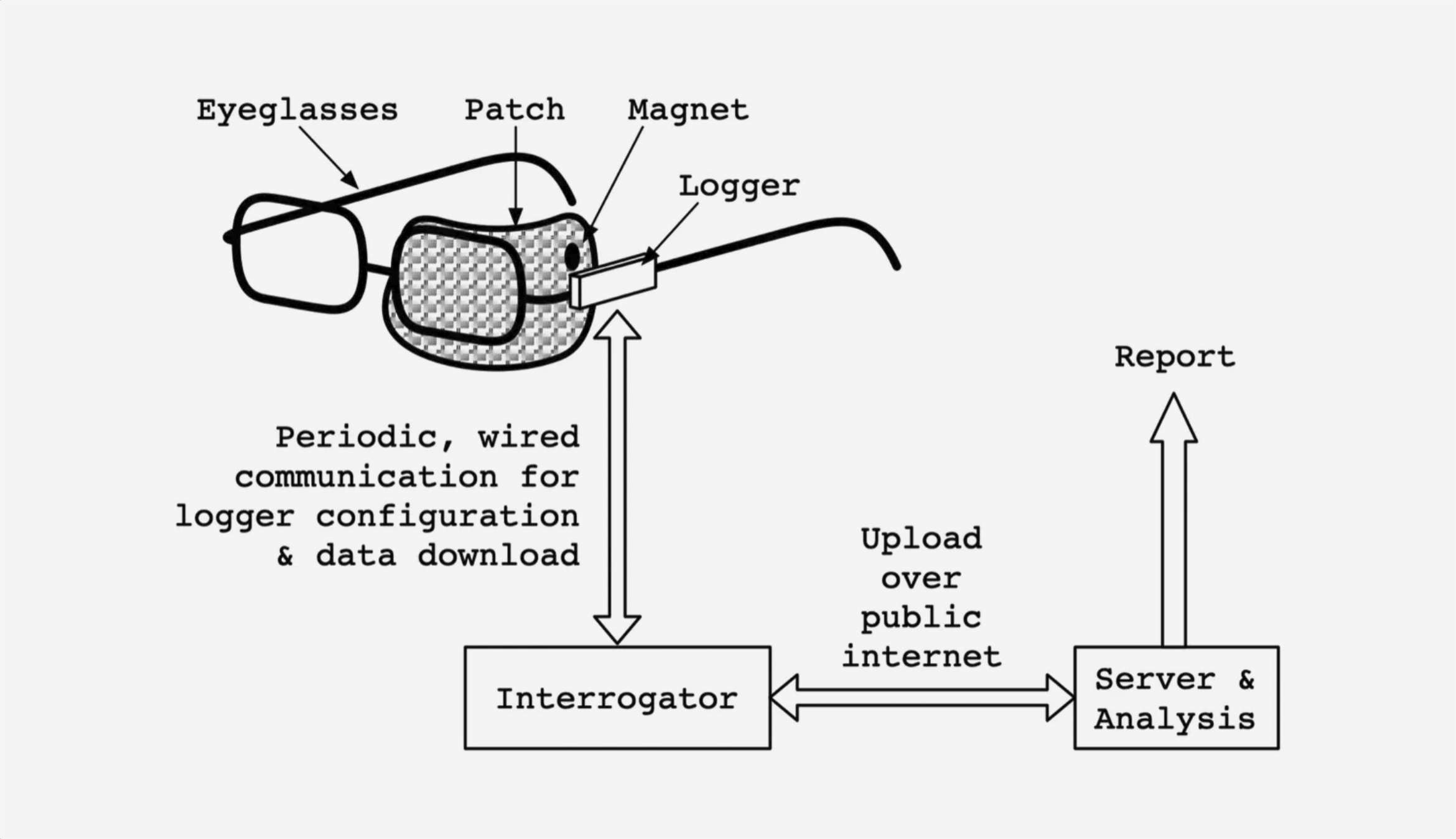
The night before, DHL left a small package on my doorstep, sent from Fjäryl, our design partners in Stockholm. Inside was Wondersee’s logger in its first finished industrial design casing, the first time it looked like the real thing.
The next morning I raced to San Francisco International and, with a little luck, caught Patrick Rousche, PhD, our Chief Technology Officer, just as he was about to board. I pressed a small bubblewrap with a case inside into his hands. Not long after, the turbines roared, and United lifted Patrick with the precious cargo out over the bay. I stood there more or less waving at the sky.
He was bound for Kansas City and Engenious Design, the engineering team that will spin our design into a device families can use each day. I was a little jealous of Patrick. He was flying to the city where I spent the summers of my boyhood, but that is a story for another post.
In Technicolor

When Engenious asked for a kickoff day on site, Patrick wrote to our team: “It might be on Friday!! THIS FRIDAY!!” And, boom! it was. Patrick and Steve Foster, our head of software engineering, flew out, and the bubblewrap went with them.
On Monday evening, the first working day, an email arrived from the head of systems and architecture at Engenious. It embedded a short video of the hardware running and three goals, each with a green check: bring up the debugging interface, update the firmware, start testing. I wrote back that I wished I was there tinkering with them. Peering at all this Technicolor through a video screen, I could see there was most definitely wizardry going on in Oz.
By Thursday they had measured how the logger senses a patch in two-millimeter steps. By Friday they had chosen four core technologies, built a model of the battery life and lined up parts to order before Thanksgiving. All in one week.
I have spent my career in healthcare, where a week can be the time it takes to get a fax returned. Watching max churn from afar was dizzying to me. It was a whirlwind, a twister lifting a whole house of engineers up off the Kansas prairie. And from all the double thumbs-up, it was also plain they were having loads of fun.
Oh yes, and when certain metal clamps holding their test rig were bending the instrument readings, by the next round of tests the metal was gone and plastic clamps held the rig to keep up the velocity.
Out from behind the curtain
It is easy to picture engineers as wizards behind a curtain, pulling levers far away from us Munchkins. But this team stepped right out from behind it —actually I don’t think there was really any curtain at all.
In a technical meeting on Thursday, the question was how precisely the logger needs to sit on a child’s glasses. The signal can be strongest when it sits just so. Should we ask families to wear their glasses just so, or should we make the electronics work harder? The answer from around the engineering table was that strict rules would limit the very thing we are trying to measure. Children would patch less, and some families might be left out entirely.
I have heard parents say this in clinic for years. But I had not expected to hear that harmony from electrical engineers in their first week on our yellow brick road. The product engineer put it in engineering terms: start from how real people wear real glasses, map the space the logger has to cover, then size the antenna and the power to fit.
The same care is going into this logger’s logic. In the spring, as I wrote in my last post, a parent told us that red marks on missed days “would destroy me.” The draft rules now let a parent take a child’s glasses off to clean them without the logger deciding that patching has stopped. And there is a proposal for a short grace period before anything is counted as over. From its first lines of code, Wondersee assumes the best of a family’s courage, heart and brains on a busy morning.
A fourth kind of time
In earlier posts I wrote about the kinds of time that matter in my field: time with the doctor, time within a child’s developmental window to see, and the minutes a parent gives every day to getting the patch on and keeping it there.
This week let me add a fourth: the time it takes to build something good. The window in which treatment works best does not wait for slow work, and so it means a great deal to me to see a team move this fast and still stop to ask what would delight a parent. And as we translate that delight to our finished device, this process may be a harbinger of the faster eye care Wondersee will bring to children heading home from school in Kansas and all 50 states.
On December 1st I fly to Kansas City to see the work for myself. I expect whiteboards, wires, plastic clamps and a lot of double thumbs-up. For me it is also a trip home, and there is no place like it. Next time, I will report from inside the storm.
Follow Wondersee Labs on LinkedIn for updates as the work continues