Medicine was always around me.
I grew up in a medical family. Watching my mother, a pediatrician, taught me something early: the right help at the right time can make a lasting difference.
I found my path by accident

I went to Brown thinking I might study Old World art and archaeology. Then, working through the course catalogue with a roommate, we reached “N” for neuroscience. I was hooked by how the visual system develops. We never made it to “O”.
I am a doctor first.
Early in my training, a mentor told me: Be a doctor first.
An ophthalmologist second.
A pediatric ophthalmologist third.
I have never forgotten it.
One question kept bothering me.
I could prescribe amblyopia patching precisely, but I could not always know what happened once the child went home. I figured there had to be a better way to know.

A generous gift helped me find an answer.
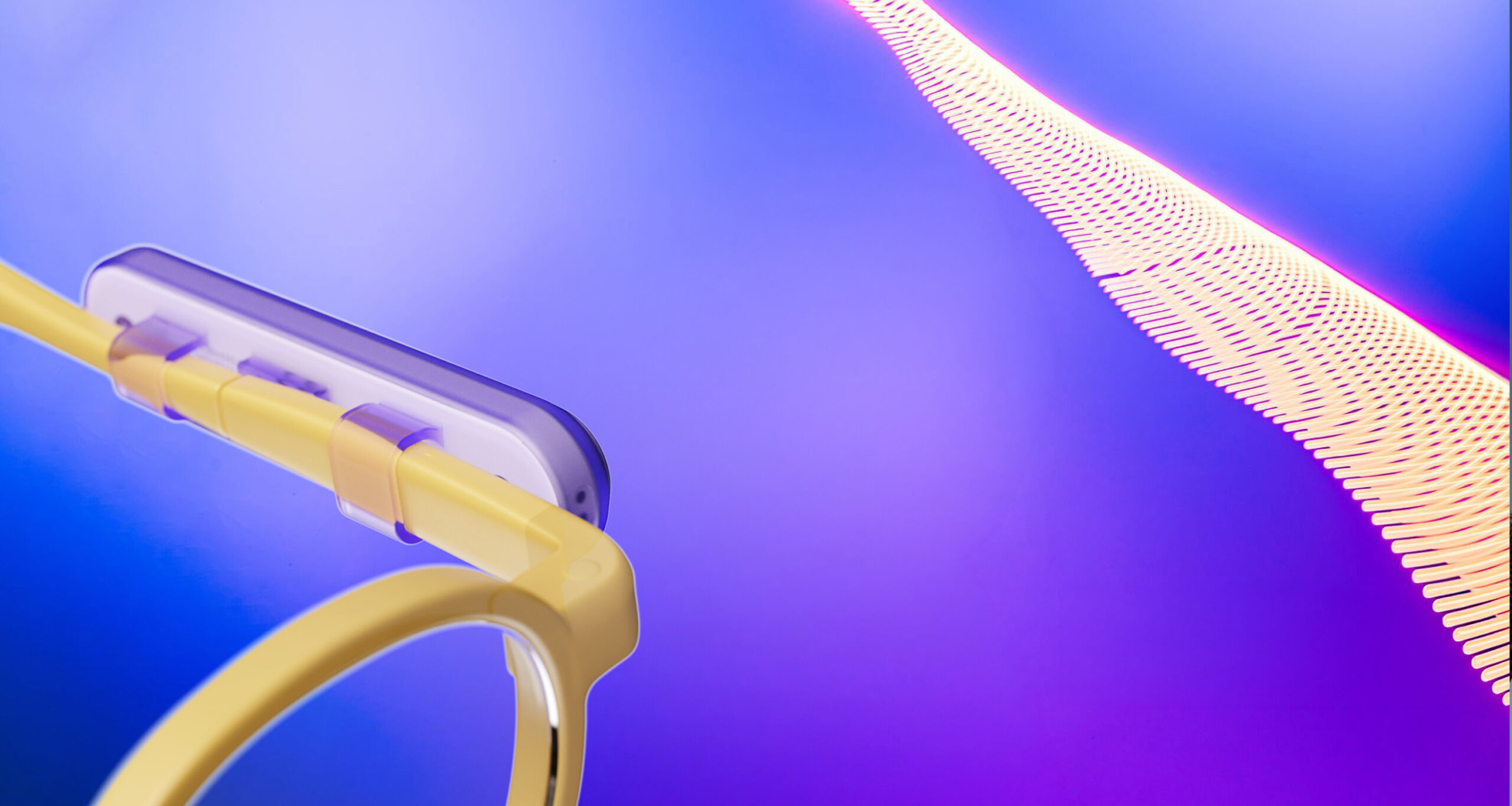
In 2014, a family I had cared for funded my research. With help from a physicist parent and a semiconductor engineer, we built early prototypes of Wondersee and asked two questions: could they measure patching reliably, and would children be comfortable using them?
The children became our young scientists.
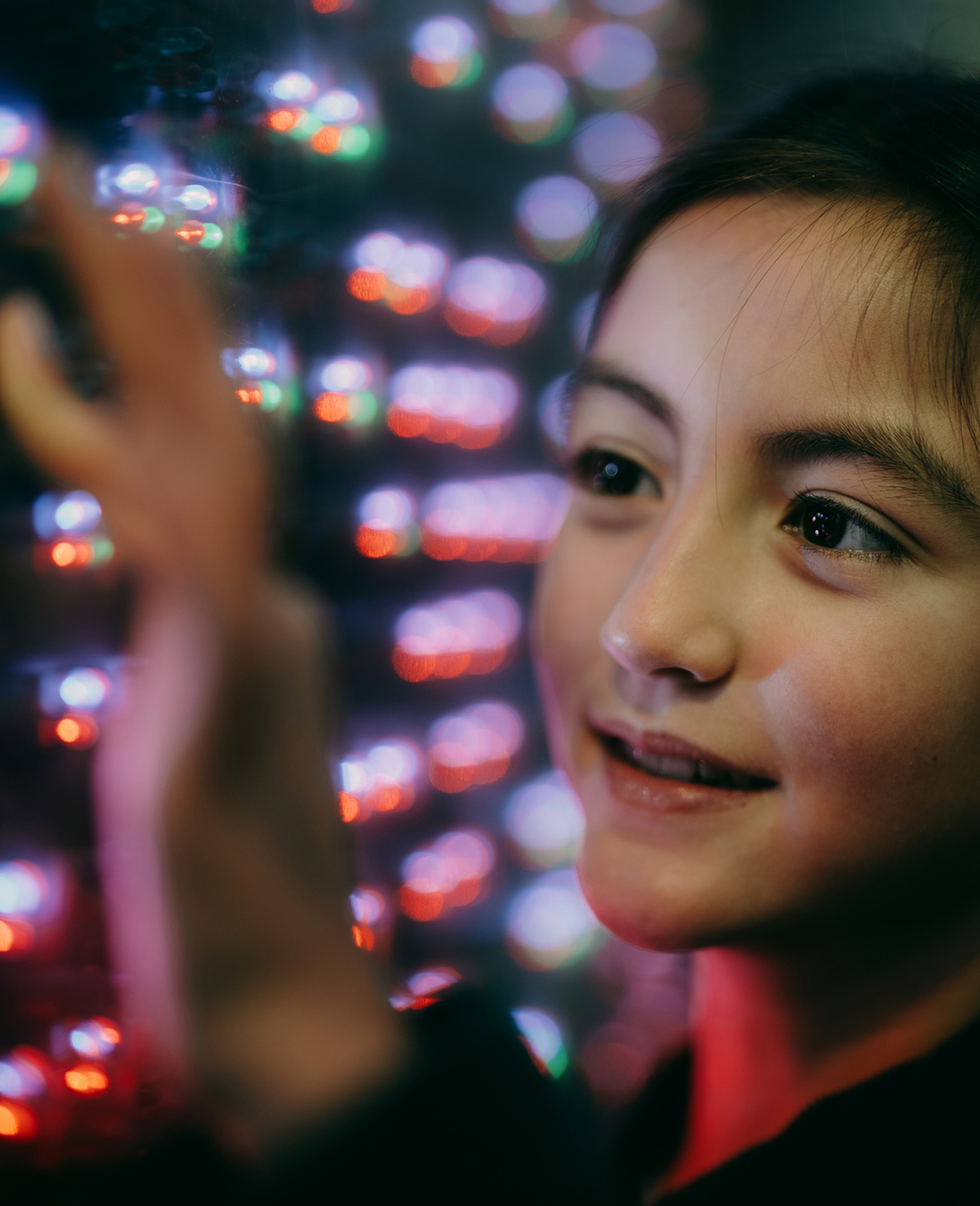
Children with amblyopia helped us test those early ideas. I thought of them as young scientists because they were doing much more than trying a device. They were showing us what worked, what did not and what we needed to change. They helped shape Wondersee.
Then someone asked a question I couldn’t ignore.
For years, Wondersee remained a research project. Then one parent kept asking, “When are you going to make this real?” I didn’t know how, so I learned. That journey became Wondersee Labs.
Now we take the idea further.
In 2026, our work received $1.73 million in NIH funding through the National Eye Institute. This award gives us the opportunity to continue the research, engineering and testing needed to take Wondersee forward*. Disclaimer
Wondersee is just the beginning
This journey has made me ask a bigger question.
What else in eye care could we understand better, make easier or approach differently?
That is what I want Wondersee Labs to keep exploring.